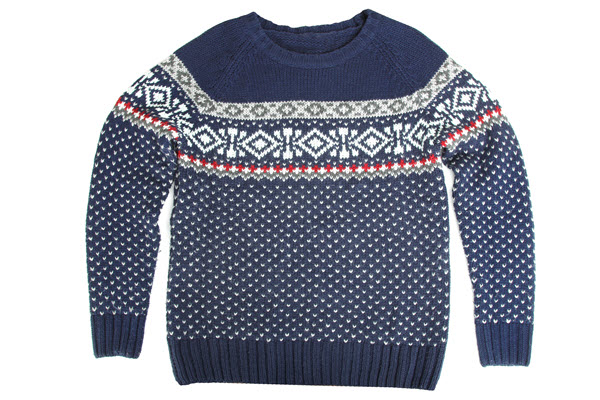
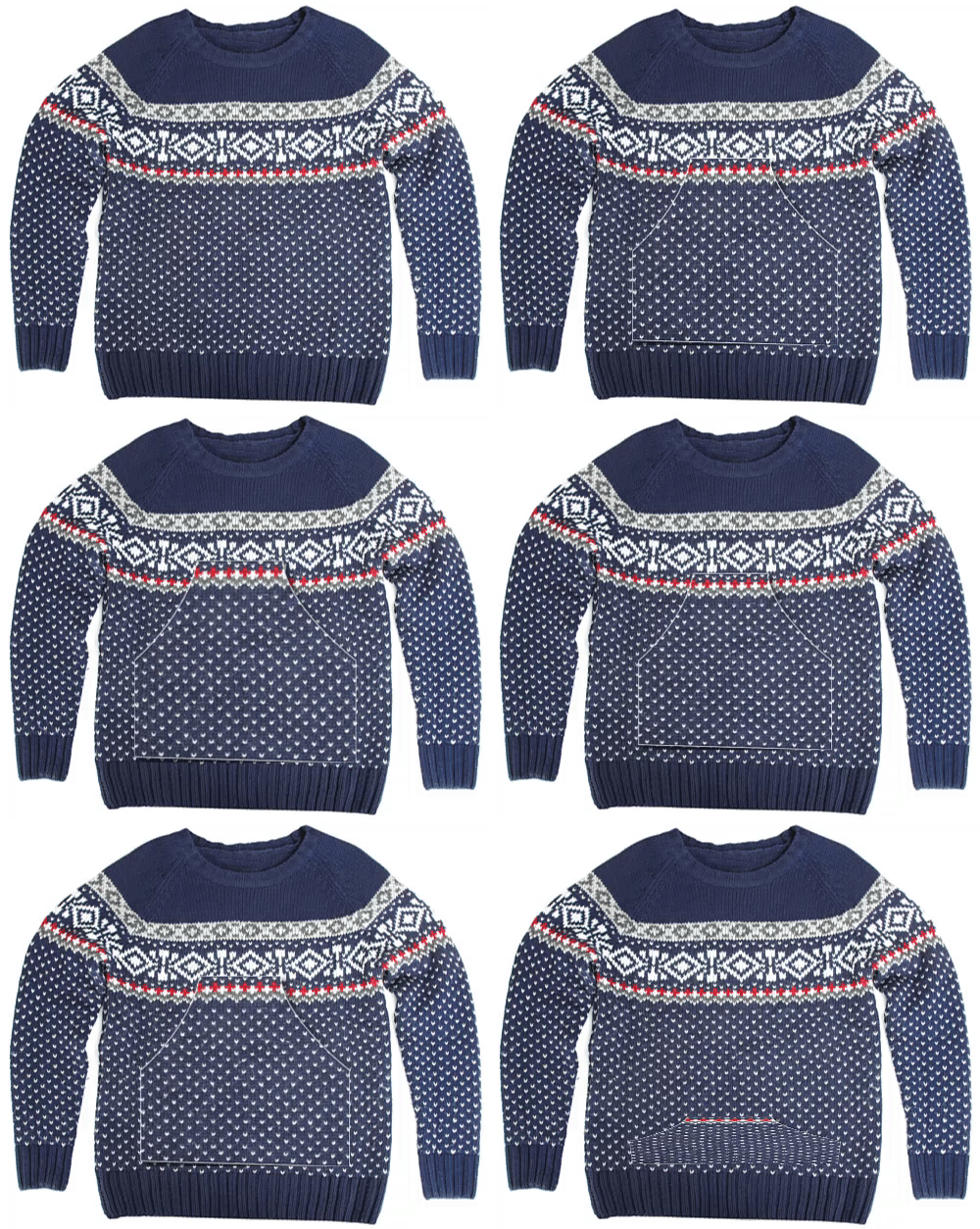
The first step in copying a sweater is to identify the style of the sweater.
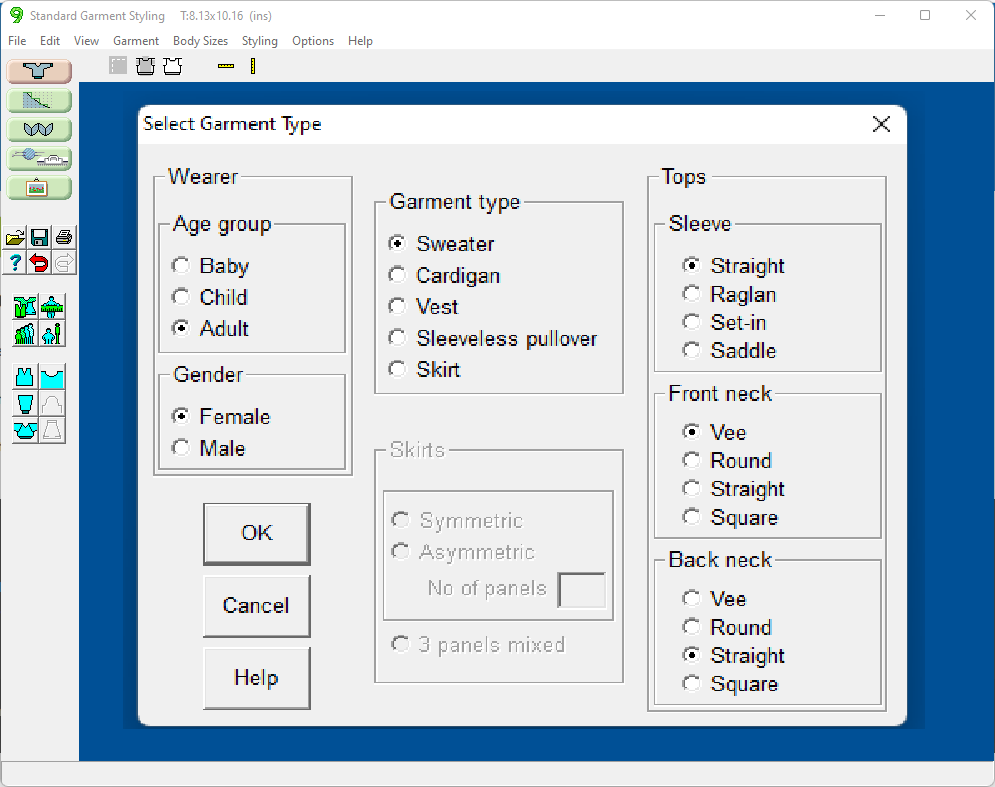
DesignaKnit will guide you and ask questions as you build your sweater in Standard Garment Styling.
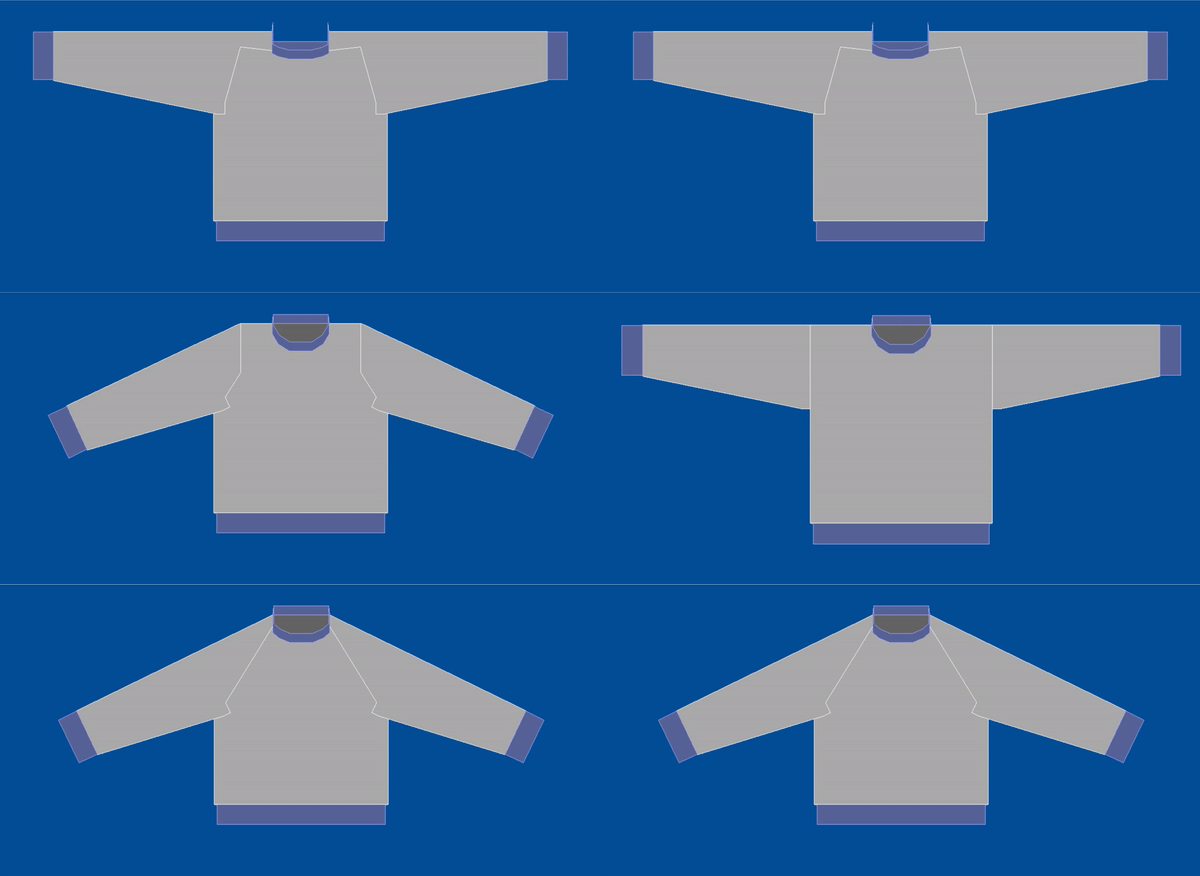
Most sweaters can be identified by their armhole and sleeve style.
Is it a cardigan or pullover?
What armhole and sleeve style do you want?
Even if the original has one style of sleeve, you are free to choose your favorite at this point
Design your Sweater Style
Build your Basic Sweater Shape
Now is the time to customize your sweater. If you have the actual sweater, take measurements and make adjustments before moving on.
If you are only working from a photo or you don't have hand knitting instructions, find a sweater that fits and copy those measurements.
Design your Sweater Style
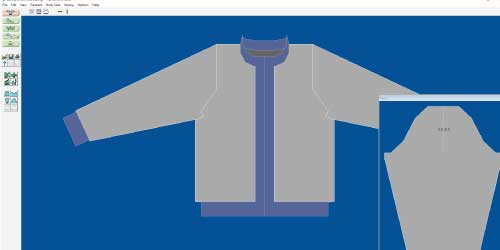
Fine-Tune the Design and Fit
Garment Styling
Fine Tune the garment BEFORE moving to Original Pattern Drafting. Make all your sizing and basic design choices here.
Design your Sweater Style
Raglan Sleeve Styling
The original design has raglan sleeve styling.
DesignaKnit creates very nice raglan shaping instructions. But it is critical that you make all your sizing changes in Standard Garment Styling. All of the garment pieces are related and moving armhole, sleeve, or neckline points around in Original Pattern Drafting is a recipe for disaster.
Design your Sweater Style
Custom Sizing Charts
Establish your measurements and preferred fit dimensions and create your own custom sizing chart. Save design time, by using your custom numbers again and again.
Design your Sweater Style
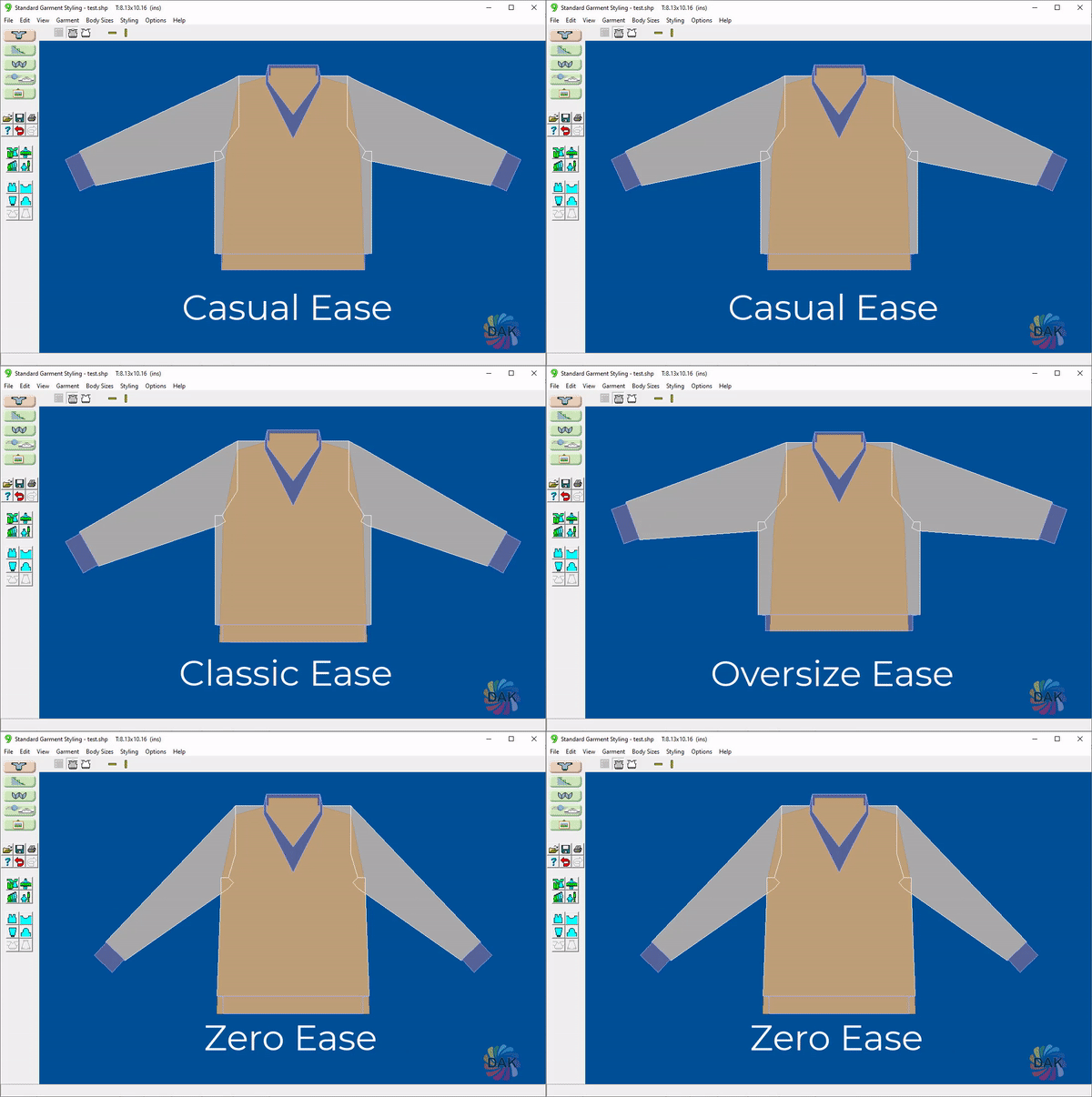
About Ease
Ease is defined as the difference between the actual body measurement and the finished garment size.
Ease is a personal choice. the best way to establish your preferred ease is to measure a sweater that you like and duplicate those measurements for your finished garment measurements.
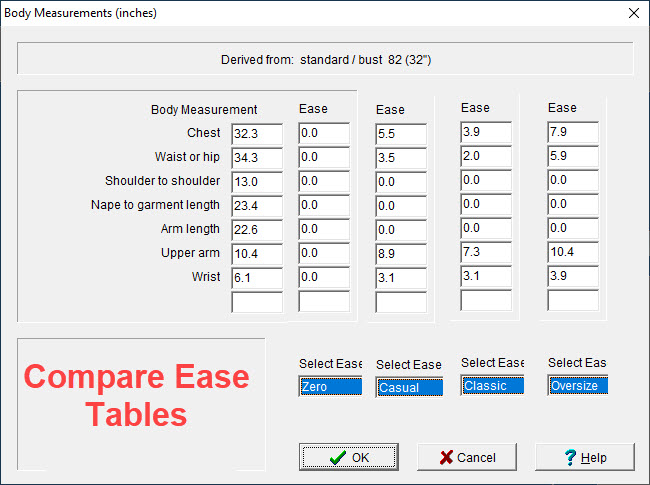
DesignaKnit Ease Charts
Remember these are SUGGESTED ease measurements from the standard DesignaKnit ease tables. They can be edited for each garment. In addition, you can create, save and re-use custom sizing tables.
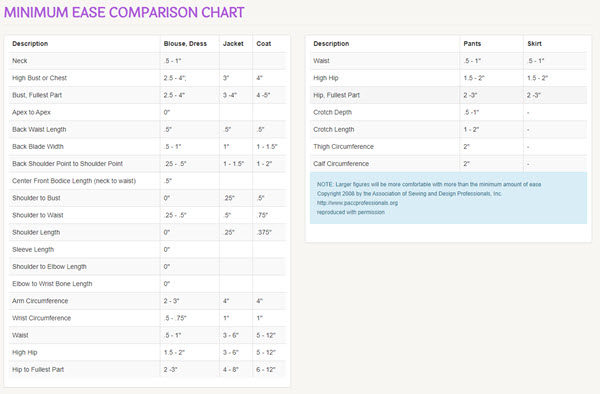
Ease Standards
These are recommended minimum ease measurements from the Association of Sewing and Design Professions Reproduced with permission
If you don't like to shape necklines (especially when knitting in pattern) consider Cut 'n Sew.
DAK makes it easy to create your own template.
Design your Sweater Style
Customize your Design
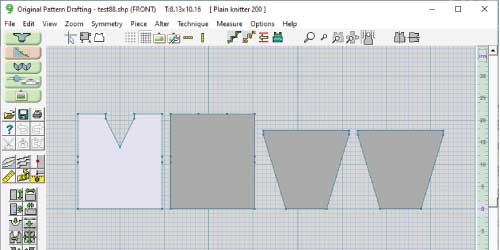
Use Original Pattern Drafting to modify your basic shape by moving points.
The possibilities are almost endless!
A quick example is to make an asymmetric V-neck on a woman's sweater.
For this project, we'll use Original Pattern Drafting to add a Kangaroo pocket to our sweater.
Kangaroo Pocket
Design your Sweater Style
Your Turn: Practice
Design a Basic Sweater
Using Standard Garment Styling, create a sample pattern to use for these exercises
Choose any style and any size.
If you haven't used Standard Garment Styling, or need more practice, play with the different tools and features, customizing the appearance and sizing.
Need more help with Standard Garment Styling?
Standard Garment Styling
Add a Kangaroo Pocket
Use the garment you created in Standard Garment Styling and add a kangaroo pocket piece. We will practice placing the stitch pattern on this piece.